Changes from the Xbox One to the Xbox Series X

The Xbox One is a home video game console developed by Microsoft, released in 2013 as part of the Xbox family. It was designed to be an all-in-one entertainment hub, combining gaming, streaming, and multimedia capabilities in a sleek, modern package. The console supports high-definition gaming and features a user-friendly interface that integrates with Xbox Live for online multiplayer and digital content access. It includes a Blu-ray disc drive, offers voice command functionality through Kinect (in compatible models), and provides backward compatibility with select Xbox 360 titles. With its robust hardware and versatile entertainment options, the Xbox One delivers a comprehensive experience for gamers and media enthusiasts alike.
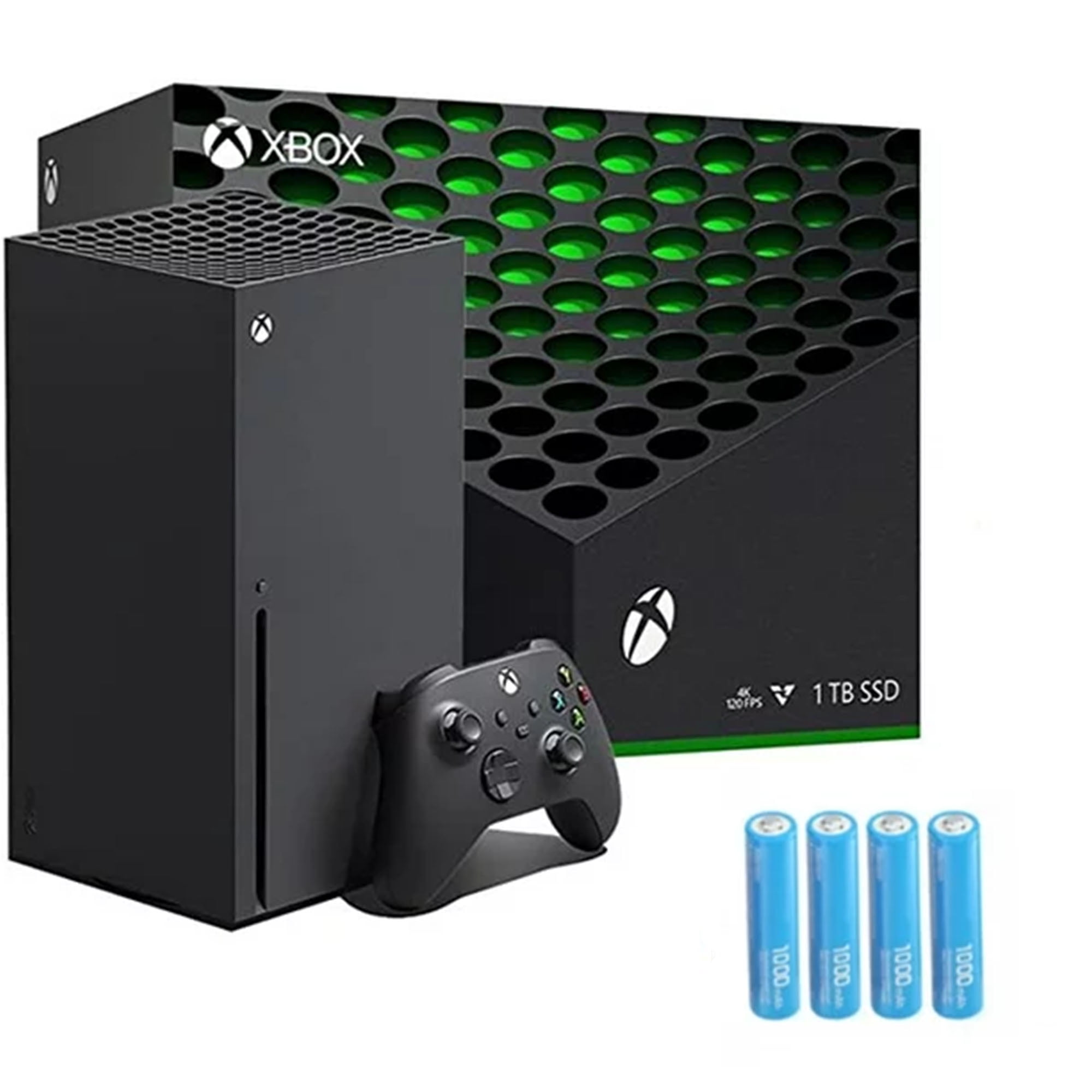
The Xbox Series X is a cutting-edge gaming console engineered for speed, power, and immersive experiences. It features a custom AMD Zen 2 processor and RDNA 2 graphics architecture, delivering stunning visuals with support for 4K resolution and up to 120 frames per second. Its sleek, vertical design houses a 1TB NVMe SSD that enables lightning-fast load times and seamless game switching through Quick Resume. The console supports advanced technologies like ray tracing, Dolby Vision, and Dolby Atmos, creating rich, lifelike environments and spatial audio. With its robust hardware and refined performance, the Xbox Series X sets a high bar for modern gaming.
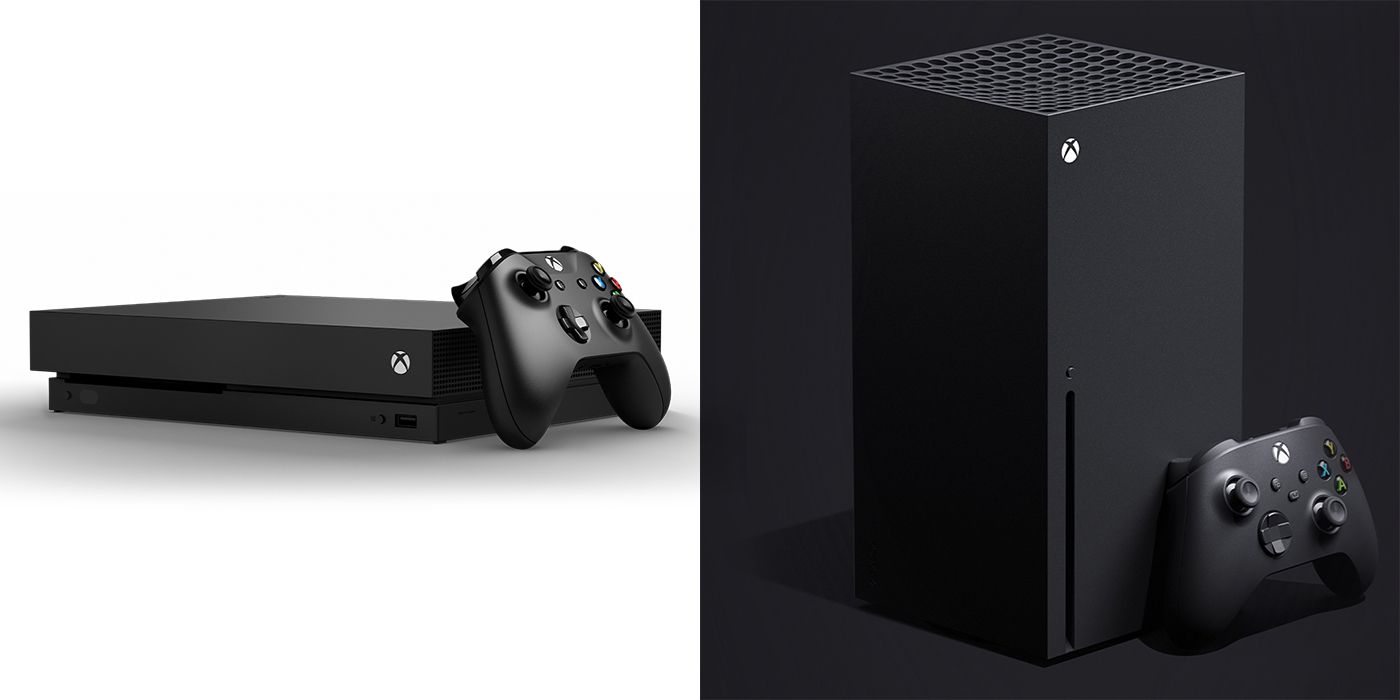
The Xbox Series X marks a major upgrade over the Xbox One, delivering superior performance, faster load times, and more immersive gaming experiences. While the Xbox One was a capable console with 4K Blu-ray support and a solid game library, it lacks the raw power of the Series X. The newer console features a custom 8-core processor, 12 teraflops of GPU performance, and a high-speed SSD that dramatically improves responsiveness and reduces waiting times. It supports true 4K gaming at up to 120 frames per second, far surpassing the Xbox One’s graphical capabilities. Additionally, the Series X enhances older games with better frame rates and resolution through backward compatibility, making it a more future-ready system. In contrast, the Xbox One remains a more affordable choice, ideal for casual gamers who aren’t focused on cutting-edge specs.

The transition from the Xbox One to the Xbox Series X was driven by Microsoft’s ambition to redefine console gaming through enhanced performance, broader compatibility, and deeper integration with its digital ecosystem. The Xbox One generation faced criticism for inconsistent hardware capabilities and a lack of compelling first-party titles, which allowed competitors to gain ground. In response, Microsoft designed the Series X to deliver cutting-edge specs—like a powerful custom processor and SSD—to support high-fidelity gaming and faster load times. The shift also aligned with the company’s growing focus on services like Xbox Game Pass and cloud gaming, aiming to create a seamless experience across devices. Ultimately, the Series X was born out of a need to restore consumer confidence, compete more aggressively in the market, and future-proof the Xbox brand for evolving player expectations.