
Horse Delivered Mail was one of the first ways people began to communicate across long distances. Messages were sent by someone riding a horse across long distances to the recipient, taking days, weeks, or even months. It was a very slow process, however, it was reliable.

The Telegraph worked by producing morse code when the sender pressed a key, and when delivered to the reciever, it would be translated into words. While it was a revolutionary way of commnuicating and a huge step, it was very impracticle. There had to be wires from the sender to the recipient and it was very pricey, limiting it to only wealthy people.

Early telephones were large and required an operator to connect the two lines. While this was more practical than Telegraphs and way quicker than Horse Delivered Mail, it still had it's fair share of impractical features. They were bulky, often connected to a wall, and took long to connect to another line as the operator had to search for the two lines and connect them, however, what was to be introduced next would fix most of these problems.

Rotary-Dial Telephones were a fix to most of the problem features in the early telephones. An operator was no longer needed to connect 2 lines, and while still bulky and connected to a wall, you could quickly connect with someone else and communicate with them. It worked by putting your finger in a hole corresponding to a number, and rotating the dial clockwise until the finger stop to enter a number. This had to be repeated for all the numbers.

Push-Button Phones sought to fix the problems one would encounter using all previous forms of communication. They were quick, slim, easy to dial, and slightly less stationary. Most of them were laid on a table or mounted on a wall, but were able to be moved.

Mobile Phones, also known as "Brick Phones" were the first implementation of communicating without being mounted to a wall. They were the first truly portable communication devices to be made. If you watched any of your parent's "Favorite Movies", these phones would most likely be in them. One con about these phones though was that they were pretty pricy and had limited range.

Compact Cell Phones were smaller than the previous Mobile Phones, and introduced texting to the world of communication. You could send a text message to a recipient and they could see it at any time.
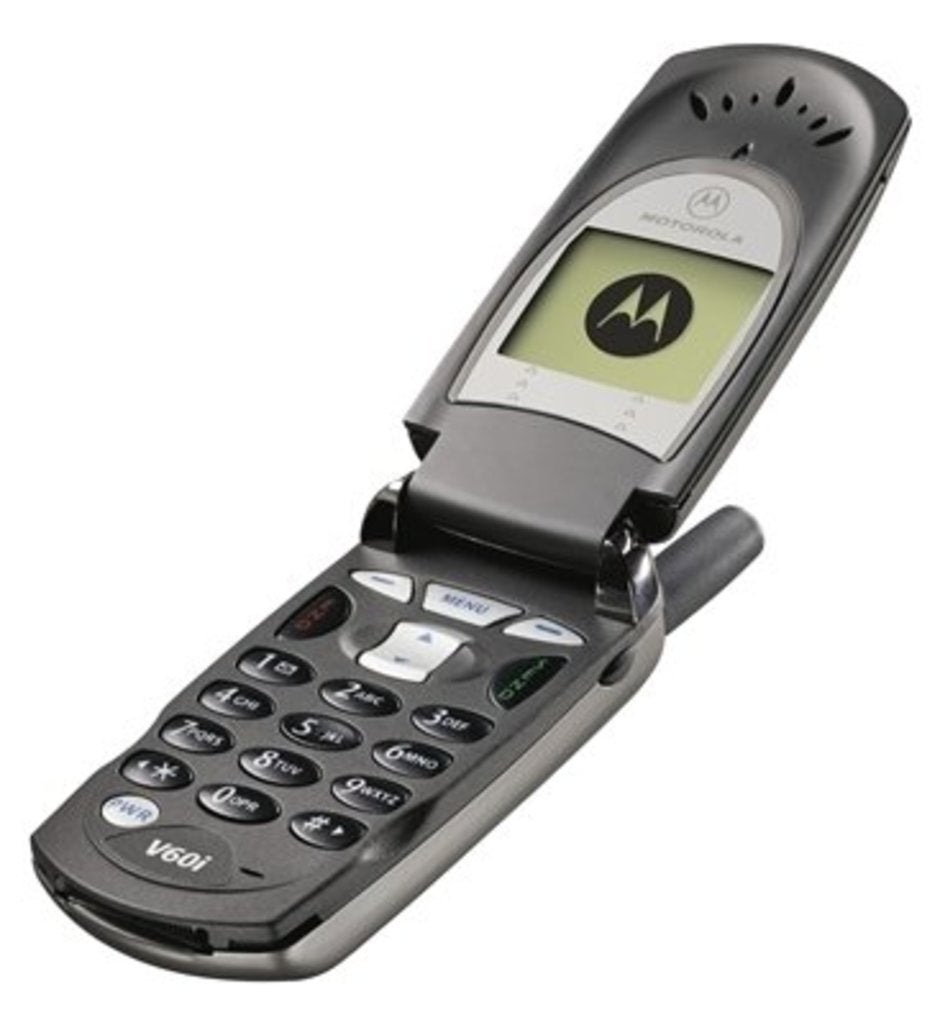
Flip Phones offered a compact and stylish design, with the keypad being protected when closed. They still offered basic features like messaging and calling, but it would be nothing compared to the revolutionary invention that would be introduced only a decade later.

Smartphones are present day forms of communication, and are still improving by the year. Popular brands are Apple IPhones, Samsung Androids, Google Pixels, and Motorolas. They offer many various feature such as texting, calling, applications, and social media. With ranges that can travel for thousands of miles, they make it easy to communicate from anywhere.
Thank for reading my Web Project about how communication has evolved over time. To summarize, Horse Delivered Mail was the first type of communication in the 1800s, followed by Telegraphs in the 1830s which were very bulky. Next was Early telephones in the 1870s which required an operator to connect two lines, but the Rotary-Dail Telephones from 1920s were next, which didn't require an operator. Push Button phones came after Rotary, which made it easier to dial. Mobile Phones were the first phones that weren't stationary, but the Cell Phones and Flip Phones were next, offering a more compact design with further ranges. Modern day phones are smartphones which offer a huge variety of features.