
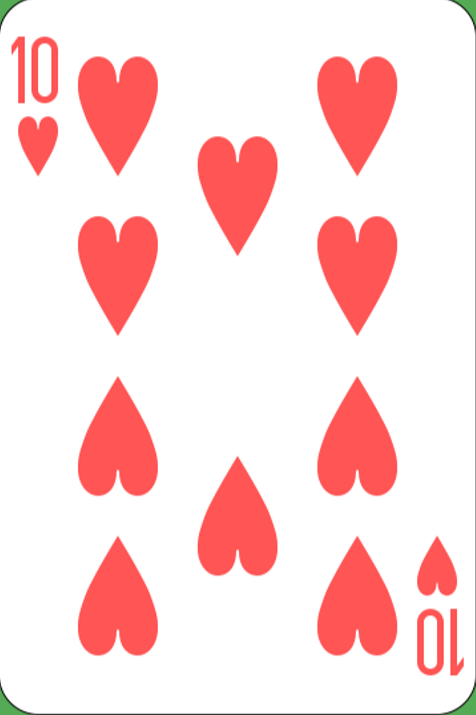
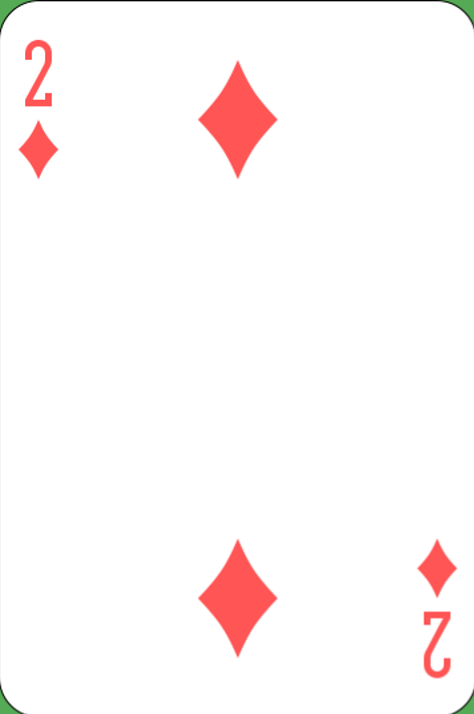
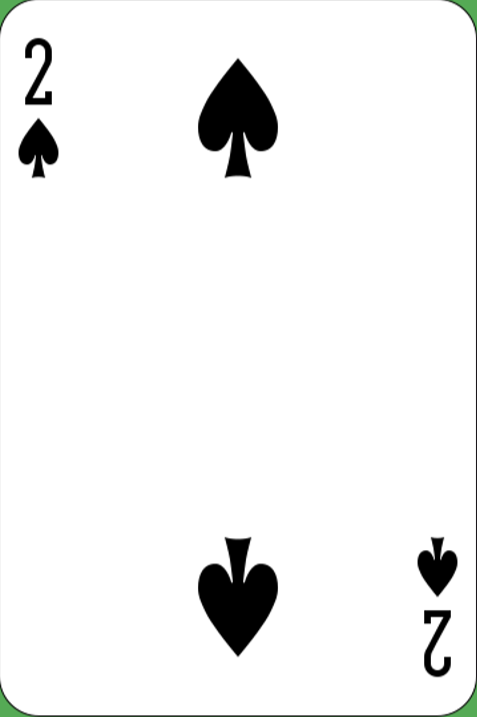
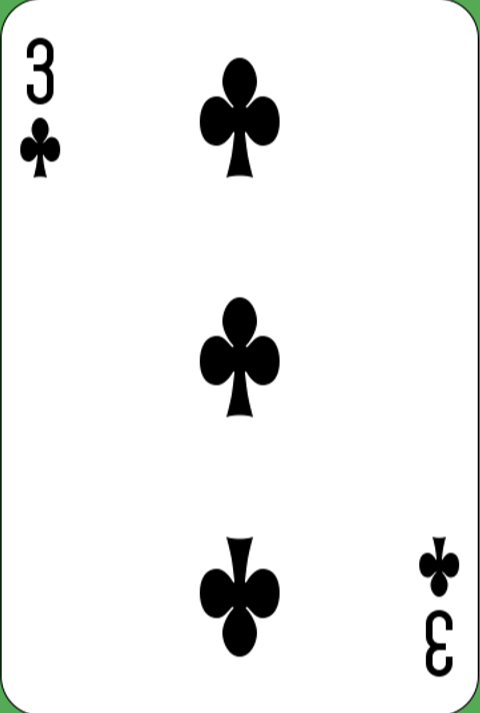
There is a strange playing card phenomenon with no particular name that I found in an elusive magic trick book as a child. Some call it the two-card correlation phenomenon, while others call it the Birthday Paradox for playing cards.
I will illustrate below.
Here is a sample of a shuffled deck:
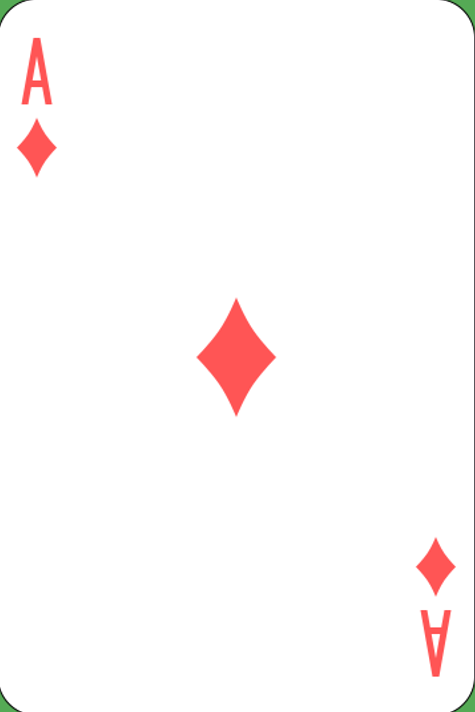
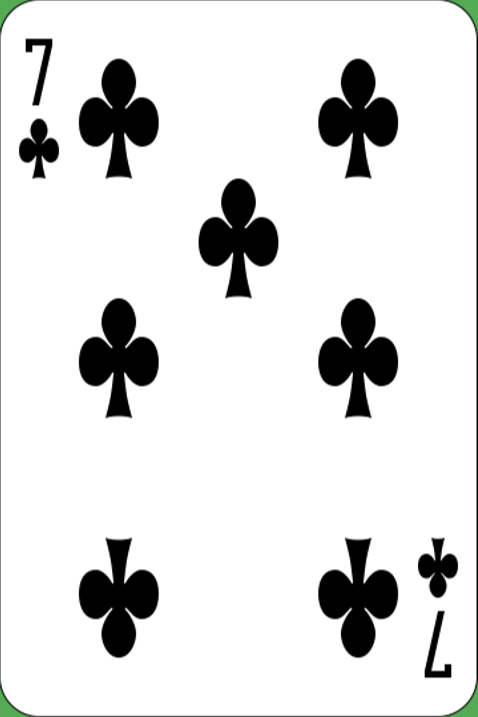
Call out two values, such as 6 and 7. I have personally found that about half of the time, those two cards will be directly next to each other at least once as you spread through the deck:
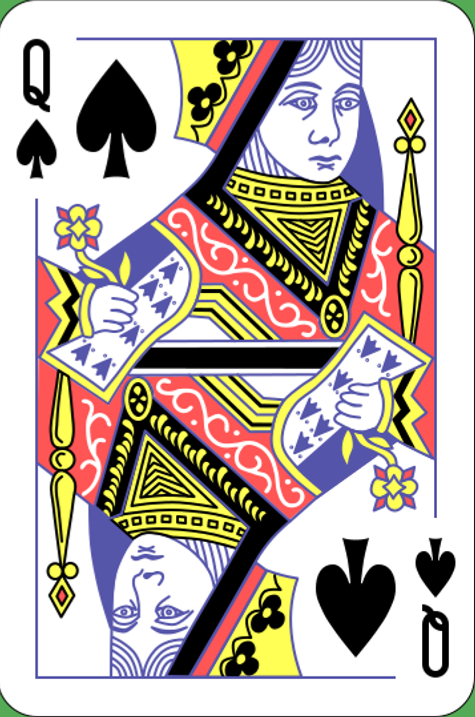
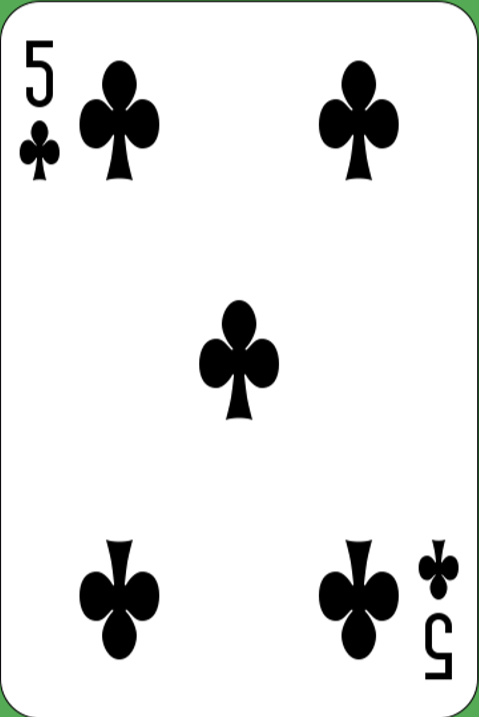
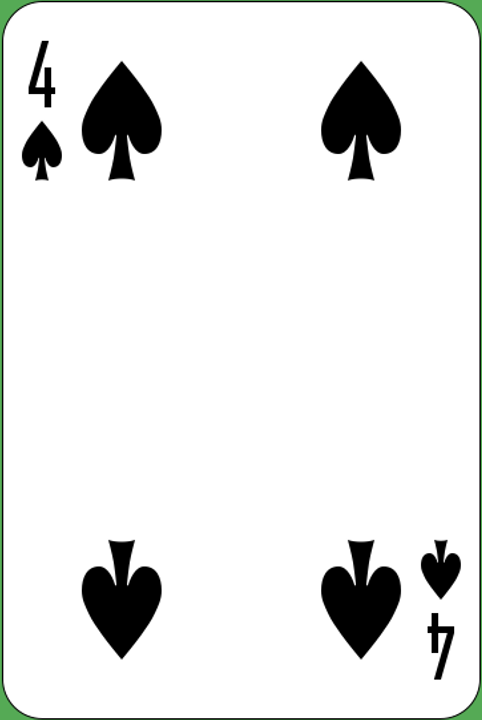
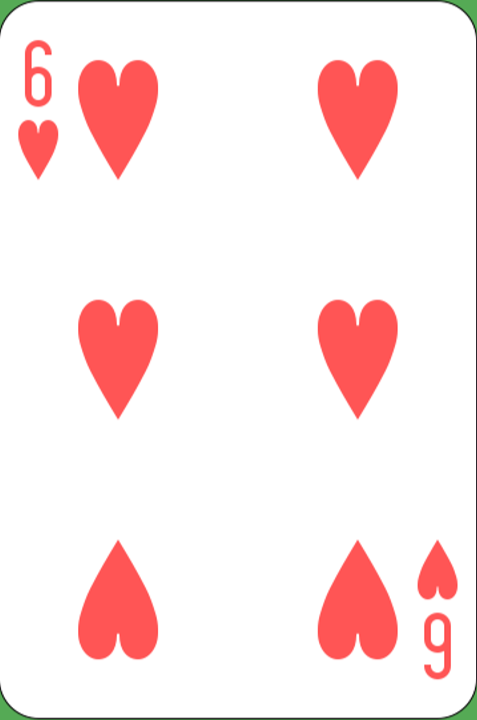
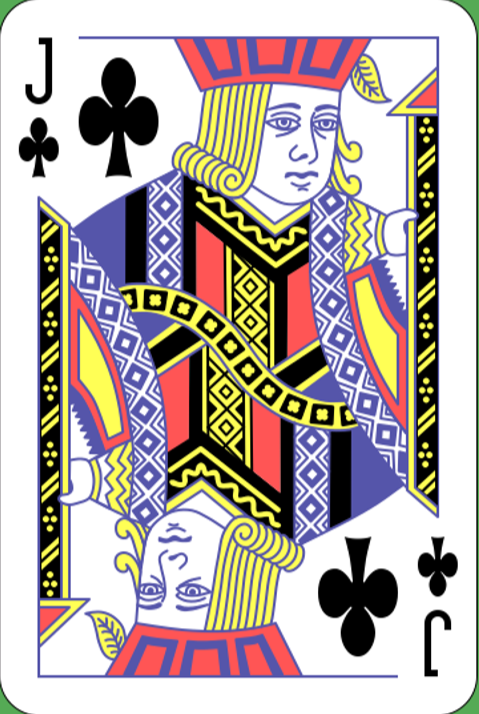
A bit more than half of the time, there will be exactly one card wedged in between:
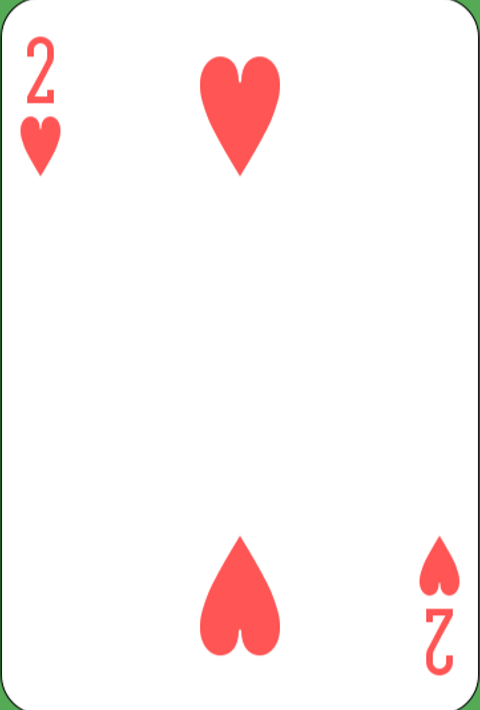
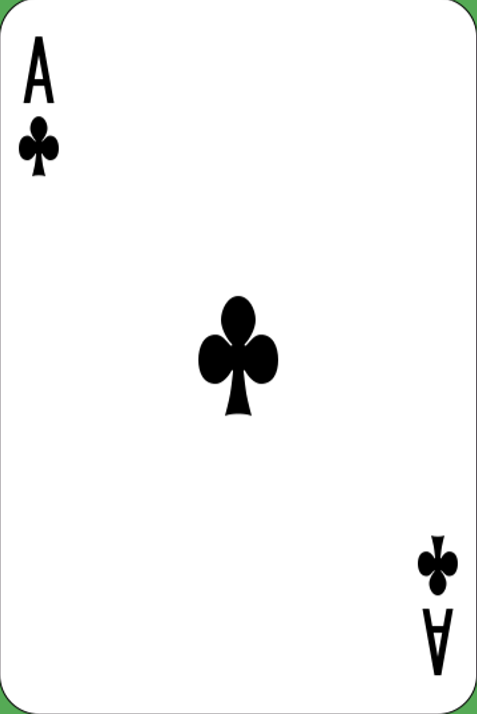
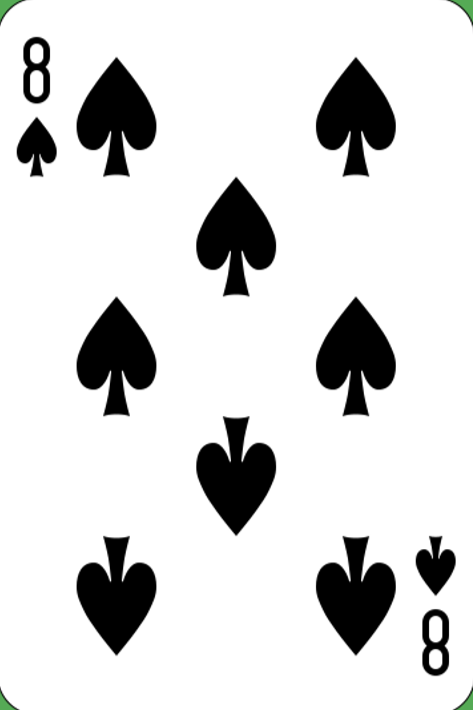
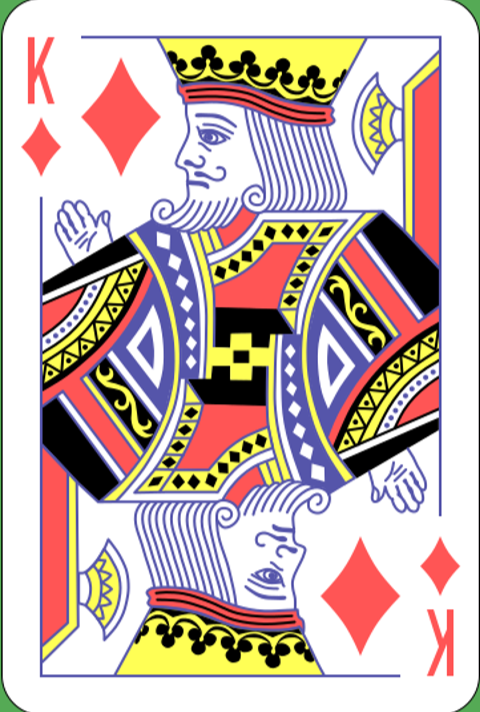
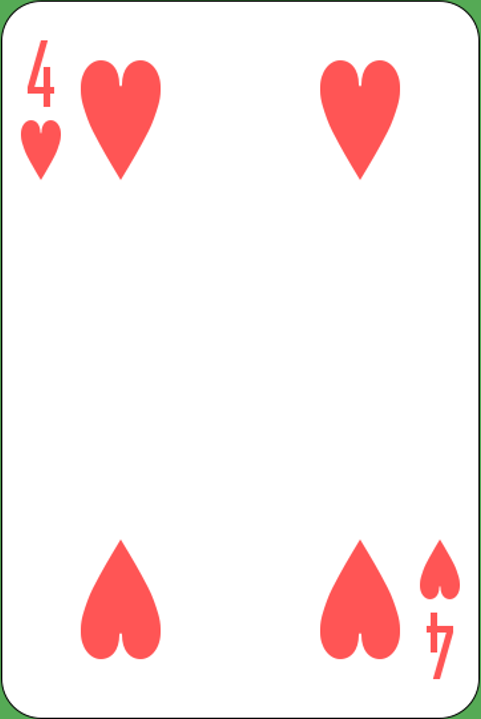
Weird, right? The phenomenon pulls from elements of multiple mathematical principles:
Of course, this directly relates to the Birthday Paradox. This paradox proposes that there is a good chance that, in a group of at least 23 people, two of them will share a birthdate. 1
Gilbreath's First Principle states that after you have arranged the cards to alternate in color, cut it in half so that one pile has a black card at the bottom and the other has a red card at the bottom, replaced the cut, and given it a good riffle shuffle, when you alternately deal out the cards into two piles, they will still alternate between red and black. We learn from Gilbreath's First Principle that there is a great mathematical probability of any two given cards being next to one another, even if not specifically red and black in color. 2 3
The Poisson clumping principle contends that within randomness, events seem to appear in clusters by chance. 4
The Law of Truly Large Numbers concludes that with a large enough number of opportunities, coincidences, such as clumping, appear more common than you would think. 5
Now, go show your friends this mathematical magic trick and watch their reactions.
Sources:

© website designed by Vincenzo Joseph Frosolone, last updated April 2026