Classic Tabby Cat
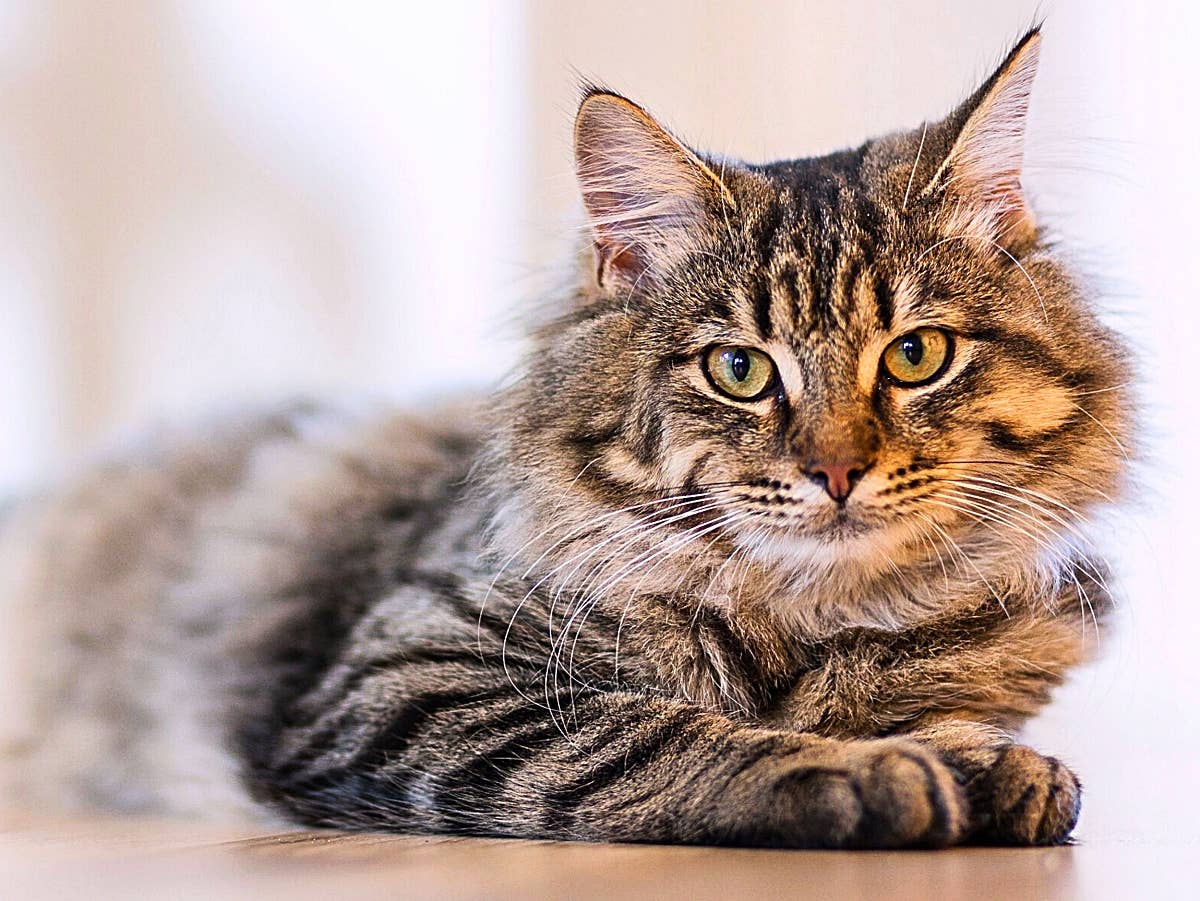
This patternis the most common of all the tabby cats. They have wider stripes that tend to curve to form circular patterns and three large stripes running from the shoulders to the base of the tail. Similar to the mackerel type, this pattern hasn't escaped food comparisons either as many people liken it to a marble cake.The classic tabby, also known as blotched tabby, has the 'M' pattern on the forehead but, rather than primarily thin stripes or spots, the body markings are thick curving bands in whorls or a swirled pattern, with a distinctive mark on each side of the body resembling a bullseye. 80% of modern-day cats have the recessive allele responsible for the classic pattern.
Orange Tabby Cat
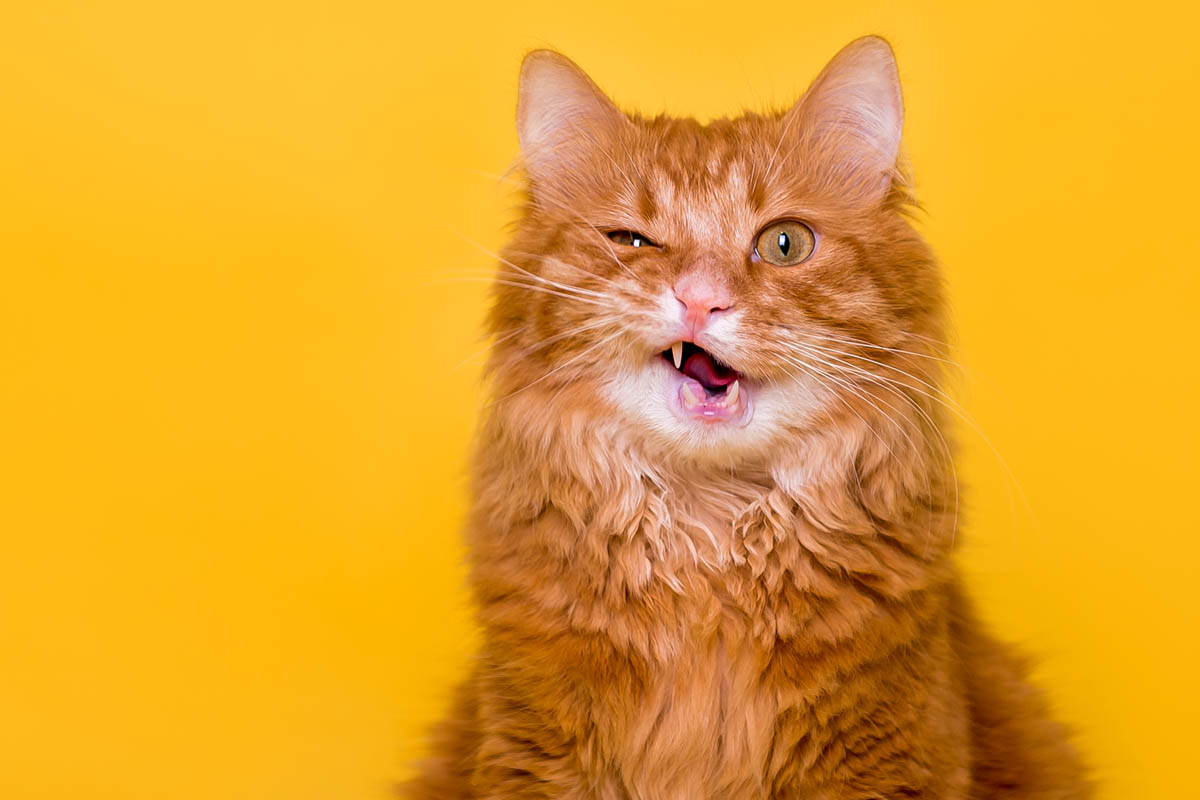
Orange cats are overrepresented in pop culture—for good reason. These cute, delightful ginger-fur friends are fascinating. Although there have yet to dig up proof that all orange cats have an insatiable desire for lasagna and hate Mondays.Due to sex-linked inheritance of the O gene, roughly 75% of ginger cats are male.Male cats with the gene for orange can be either X°Y ginger or X-Y black or non-ginger tabby. Females with the gene have three possibilities: X-X- black or non-ginger tabby, X°X° ginger, and X-X° tortoiseshell, thus male cats cannot be tortoiseshell unless they have two X chromosomes.
Spotted Tabby Cat
This tabby shows off their distinct round spots against a background of lighter fur and might even display a faint necklace line. It is thought that the spotted tabby results from a modifier gene that breaks up the mackerel tabby pattern and causes the stripes to appear as spots. Similarly, the classic tabby pattern may be broken by the spotted tabby gene into large spots. One can see both large and small spot patterns in the Australian Mist, Bengal, Serengeti, Savannah, Egyptian Mau, Arabian Mau, Maine Coon, and Ocicat breeds, among others, as well as some crosses. The most common spotted tabby looks most similar to the mackerel tabby, including the classic marks on the limbs, tail, and head, as well as the 'M' on the forehead
